Undisclosed Dosing In Gummies: Why Milligrams Matter
A gummy label that names ingredients without stating per-serving amounts tells you what is in the product but not whether there is enough of anything to matter.
This is common across the gummy supplement category specifically, partly because of a real physical constraint: gummies simply hold less than capsules.
The physical constraint gummies face
A gummy needs room for a gelling base, sweetener and flavouring alongside its active ingredients, which physically limits how much of any one compound can fit while the gummy still tastes acceptable. This is a genuine constraint that capsule-based supplements do not face to the same degree.
Why this makes dosing disclosure more, not less, important
Given that physical limit, a gummy sharing eight named ingredients across a small serving size has a real ceiling on how much of any single ingredient it can contain. Without a stated amount, there is no way to know whether any given ingredient clears a meaningful threshold or falls well short.
What you can still do without the number
Check for a trademark or standardisation. More specific than a bare ingredient name.
Compare against typical research doses. If published trials generally use hundreds of milligrams and a gummy's total active-ingredient capacity is limited, you can infer the ceiling.
Ask the seller directly. A direct email asking for the supplement facts panel is a reasonable step.
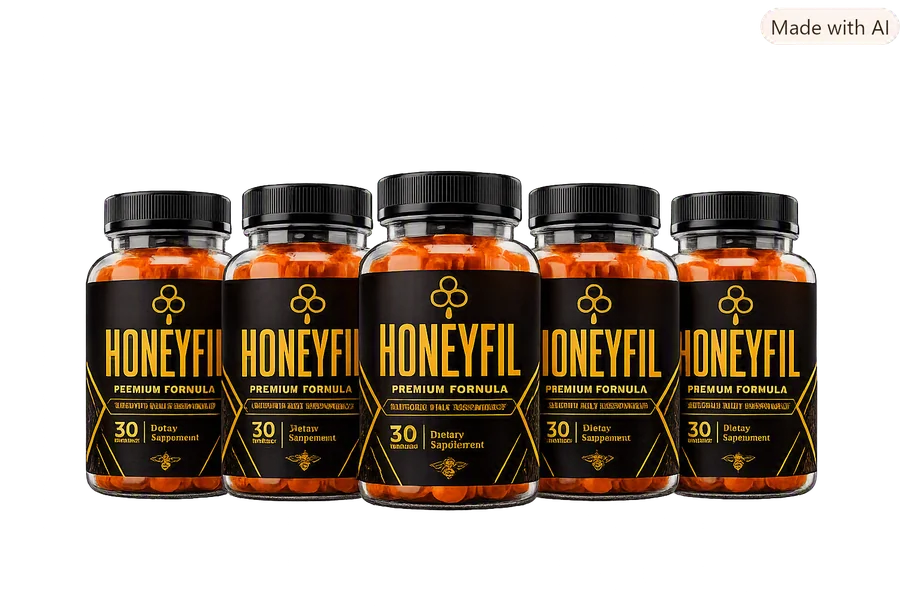
Applying this to HoneyFil
We looked for a supplement facts panel with per-gummy amounts on HoneyFil's publicly available pages and did not find one. See our full 90-day assessment for how this weighs against the formula's genuine strengths.